The World's Largest Searchable Database of Non-Crowdsourced, Source-Backed Human Profiles.
Learn more here about this unprecedented undertaking to preserve the history of human lives around the world, guided by the belief that every life, regardless of prominence, privilege, or circumstance, has a place in the historical record.

Press
What the World Is Saying...
"An online database with more than 200 million human profiles built from historical records gathered from established archival and government sources..."
"The platform is intended to preserve stories of people whose contributions may not meet the notability requirements for a Wikipedia entry..."
"The idea of a world-wide searchable database for humans who have passed without leaving any digital footprints...is absolutely laudable..."
"Primary-source discipline applied at a scale the academic world has never attempted."

About Our Advisory Board
Eulo Archives is Guided by World-Renowned Leaders in Scholarship, History, and Culture.
Our methodology and integrity are overseen by a distinguished board of scholars drawn from the world's foremost research institutions.
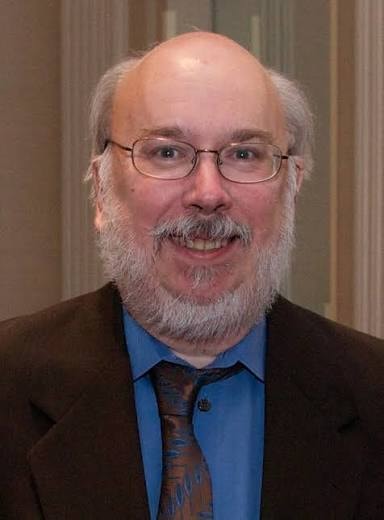
Henry Jenkins, Ph.D
Professor of Digital Humanities
Harvard University
Pioneering researcher in large-scale archival digitization and computational history with over 30 years of institutional experience.
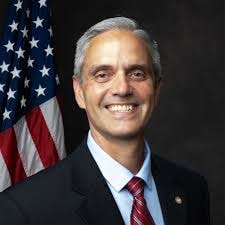
Lt. General Steve Basham
Chair, Department of History
MIT
Specialist in African and diaspora historical records, with landmark contributions to primary-source methodology in digital archives.
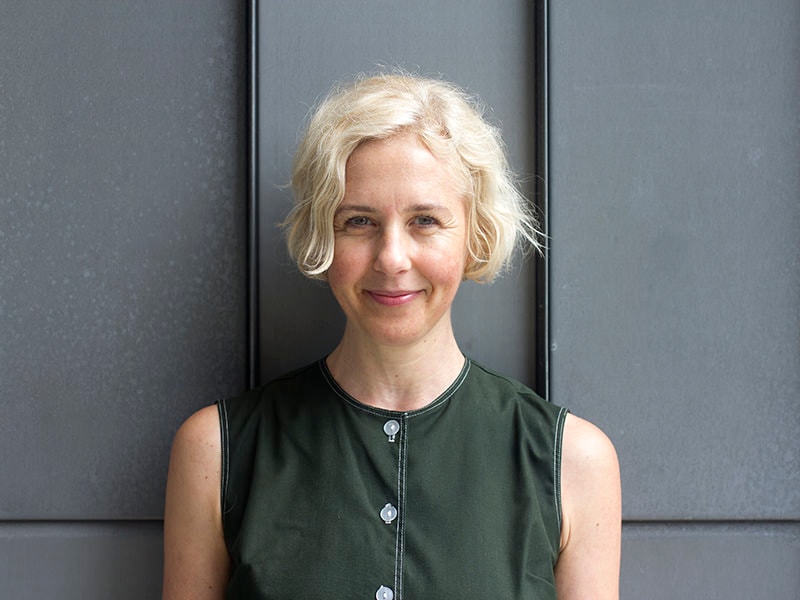
Suzanne M. Noruschat, Ph.D
Senior Curator, Special Collections
The Getty
Expert in provenance research and archival authentication, overseeing one of the world's most significant collections of historical documents.
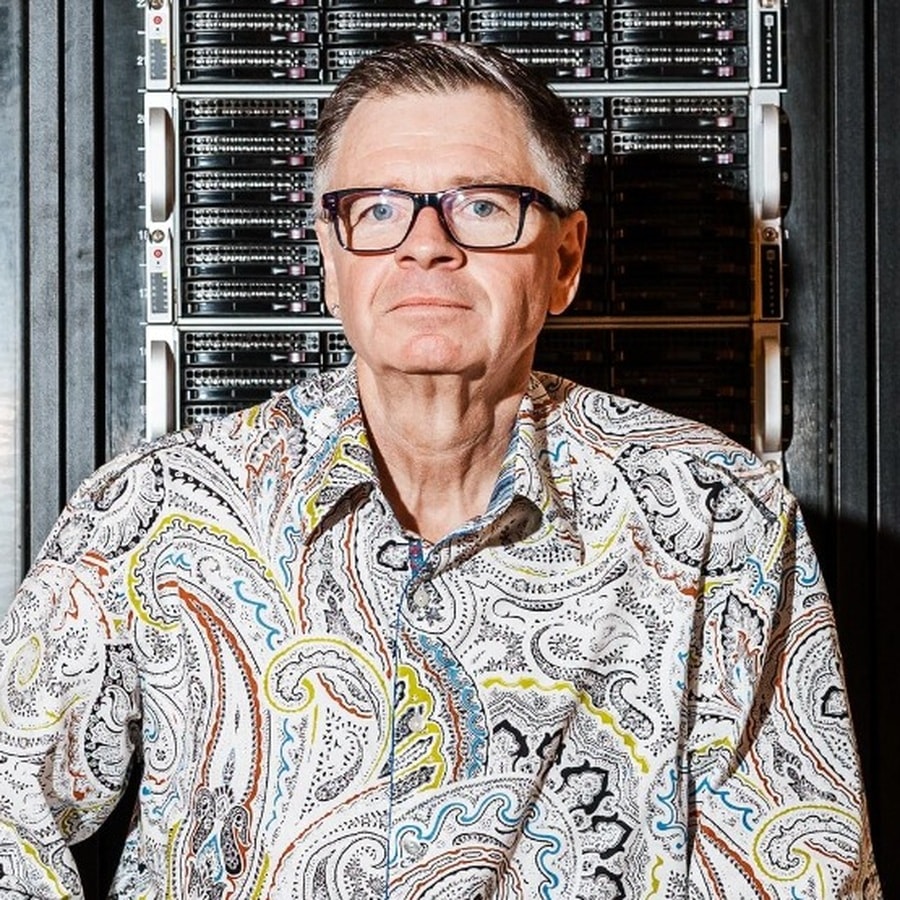
Roger MacDonald
Professor of Medieval Studies
Yale University
Authority on pre-modern European records and manuscript traditions, with extensive fieldwork across European archives and libraries.
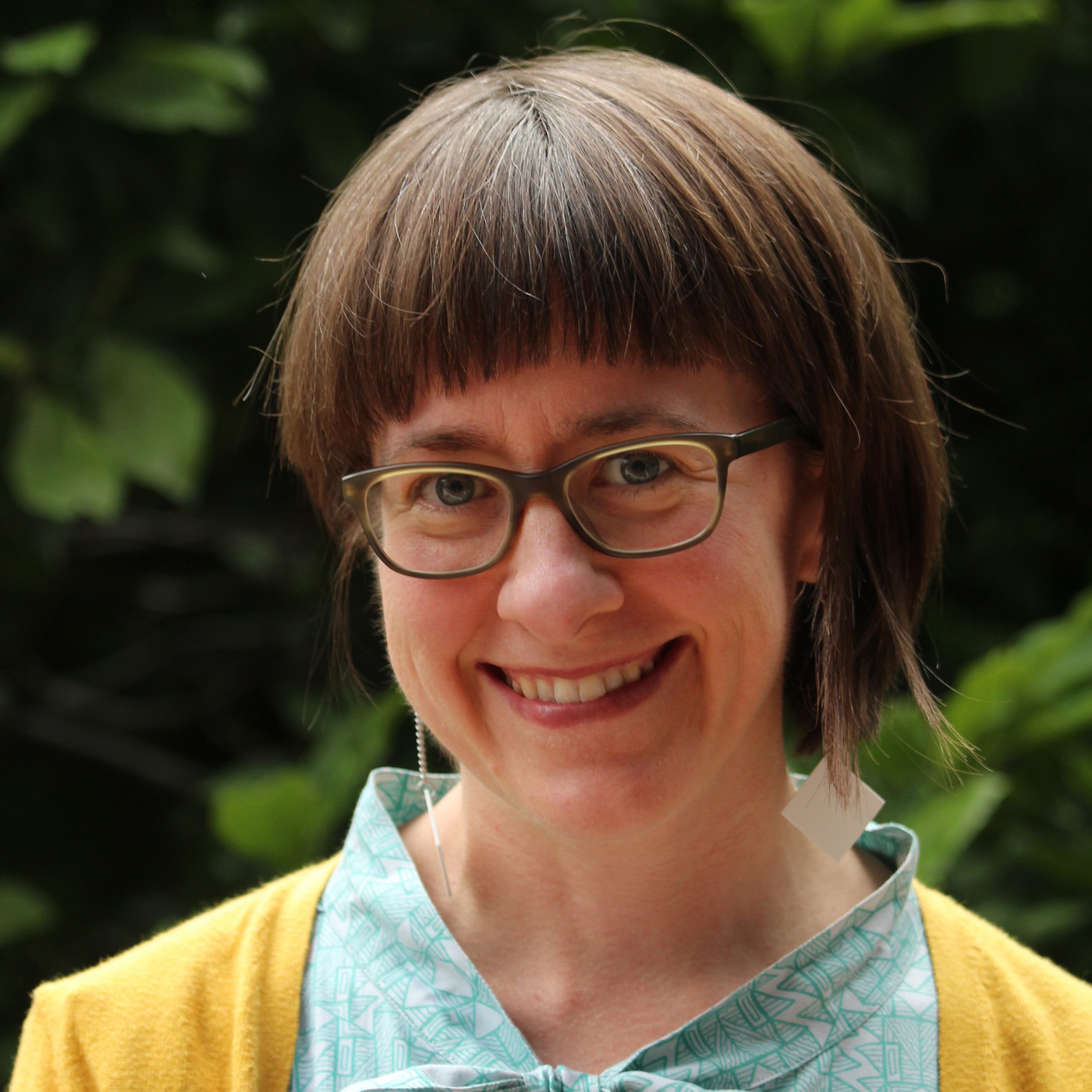
Andrea D. Wenzel
Director of Research Collections
The Huntington
Leads interdisciplinary research initiatives connecting rare book collections with emerging digital scholarship methodologies.
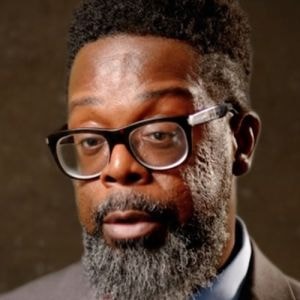
Lamont Pearley
Professor of Information Science
UCLA
Specialist in large-scale data integrity and archival standards, advising on verification frameworks for historical record systems.
Methodology
Built on Primary Sources. Not the Crowd.
Every profile in the Eulo Archives is constructed from verified institutional and primary-source records — never from user submissions, social data, or unverified contributions.
Primary Source Acquisition
We partner directly with archives, libraries, government repositories, and academic institutions to acquire original records — birth registries, census documents, military rolls, ecclesiastical records, and more.
Institutional Verification
Every record is cross-referenced against at least two independent primary sources before a profile is created. Our advisory board sets and enforces the verification standards.
Scholarly Curation
Profiles are structured and enriched by trained researchers and subject-matter experts, ensuring historical context, accurate dating, and proper attribution across all 800 million entries.
Continuous Institutional Collaboration
The archive grows through ongoing partnerships with universities, museums, and national libraries — not through public submissions. Quality is maintained at every stage of expansion.
Partner With the Archive.
Whether you represent the press, an investment firm, or an academic institution, we welcome serious inquiries from those who understand the significance of what we are building.